
倒数第二次恋爱
菌子火锅“上锁”引发热议!见手青到底有多毒?专家详解_我的网站

一 |
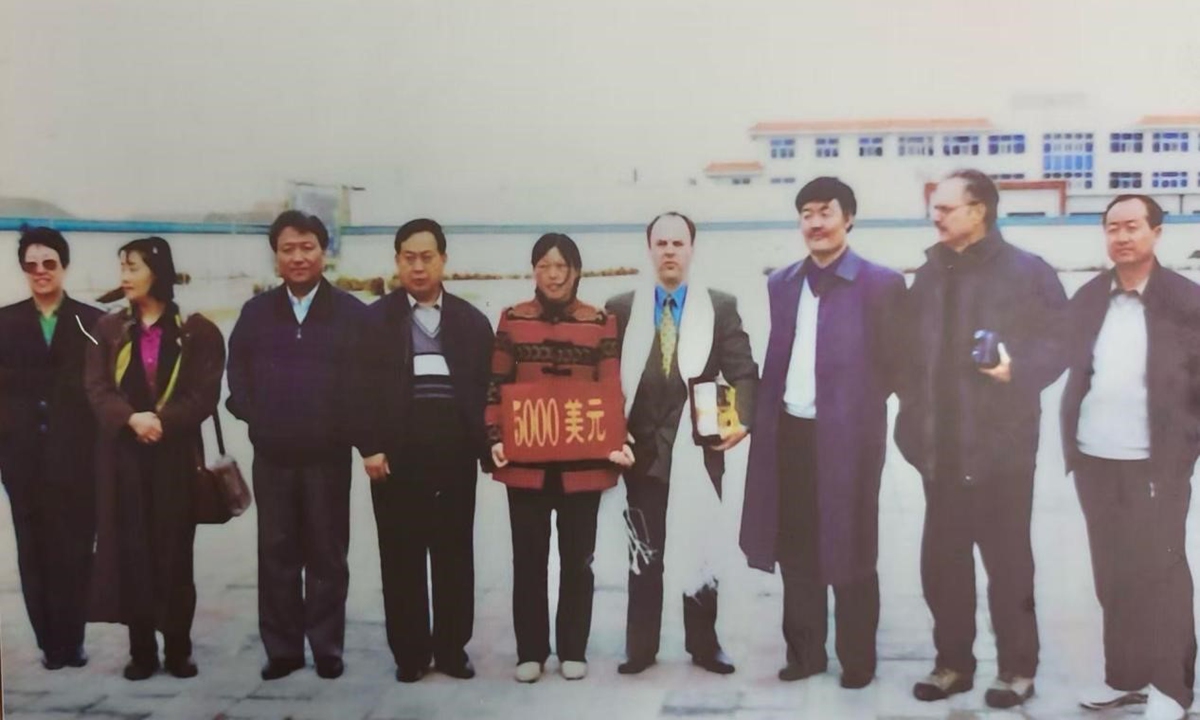
At 2:48 am on early Sunday morning, after a flight of more than 10 hours, Ronald Sakolsky arrived at Beijing Capital International Airport. As he stepped into the arrivals hall, he greeted the waiting reporters with earnest Putonghua "Wo hui lai le," meaning "I'm back."
The thrill of his homecoming had washed over him most vividly during the final moments of his flight. "When I saw the lights in Beijing as we were landing is when I realized that I am back in my second home."
Sakolsky, an American retired teacher from Pennsylvania, is visiting China from Sunday to September 1 for a journey that will take him to Beijing, North China's Inner Mongolia Autonomous Region and Central China's Henan Province. It is a reunion nearly three decades in the making.
That reunion began with a single act of generosity. In 1999, when Sakolsky arrived in China as a participant in a bilateral teacher exchange program, he was moved by Yin Yuzhen and her husband's tireless efforts to curb desertification in the Mu Us Desert in Inner Mongolia. He raised $5,000 to fund their local tree-planting initiative. The young saplings bought with the donation have since matured into more than 50,000 full-grown trees, transforming the once desolate, sandy wasteland into a thriving green landscape.
After decades of lost contact, Yin, a national model worker renowned for her desert restoration achievements, launched an online search for her American benefactor in May, hoping to reconnect with the man who helped launch her lifelong desert reclamation mission.
What followed was a remarkable wave of online support: within less than 48 hours, a nationwide search had tracked Sakolsky down. That swift effort led to their long-awaited virtual reunion, a video call that brought them face to face for the first time in 27 years.
Asked what he is most looking forward to about this journey, Sakolsky told the Global Times that "I want to see Ms Yin, see the forests, see the students I have not seen for almost 30 years, my colleagues. I want to see the Chinese people."
The trip itself felt like a dream he never thought would come true, he added.
Now, the dream is about to come true. Later on Sunday, Sakolsky will fly to Ordos, Inner Mongolia, the site of the transformative environmental project that bound his fate with Yin's all those years ago.
During his China visit, Sakolsky will join Yin in a new tree-planting activity. He will also hold exchanges and discussions with teachers and students from the Luoyang No.2 Foreign Language School where he once taught, and participate in official China-US teacher exchange events, according to the Xinhua News Agency.
As he prepares to see the transformed landscape with his own eyes, Sakolsky shared with the Global Times about how much China itself has changed over the past two decades. From photographs, he said, he had already seen the barren desert he remembered turn into lush green forests; he had also heard that Luoyang has become far more vibrant and beautiful.
"Hopefully the message gets out to the world that Chinese and Americans can work together and make a peaceful world," he said.
。 8月初,西南野生菌进入上市高峰,松茸、鸡枞、牛肝菌等30多种“山珍”大量到货,迎来性价比最高的“黄金赏味期”。有消费者发现,部分云南野生菌餐厅有一道特殊流程:服务员把菌汤锅盖锁住,钥匙带走,煮够时间才开锁。

二 | 因为锅里煮了见手青——一类牛肝菌的统称,其中不乏有毒品种,未煮熟会致幻中毒,过去此类报道屡见不鲜。

三 | 有餐馆甚至不让打包带走,或要求签免责协议。 煮够时间就绝对安全了吗?见手青到底有多毒?来看专家介绍。 中国科学院昆明植物研究所研究员杨祝良介绍,这类菌子属于“条件可食用真菌”,但他也提醒,烹饪时要特别注意煮熟炒透。

四 | 此外,他还强调,要特别注意当见手青菜品被放凉后,毒素会恢复。比如剩菜放冰箱过夜,第二天用微波炉热一分钟就吃,这时候最容易中毒。 而对于有些菌子中的毒素来说,高温烹饪并不能去除其毒素,需高度警惕。 杨祝良:比如鹅膏菌含的环肽类毒素,厨房里常规的煎炒烹炸、甚至用高压锅压一个上午,都破坏不了它。高温、强酸、强碱都拿它没办法,毒素始终留在汤里,吃下去照样对人造成极大危害。

五 | 所以这类剧毒蘑菇,必须高度重视。 专家介绍,“见手青”类牛肝菌在被撕裂后会由白色、黄色快速转变为青色,也因此有了“见手青”的名字。但是,变青、变蓝并不是它有毒的一种体现,和它有毒并没有关系。 关于如何识别菌子是否有毒,在网络上有些说法流传很广,比如“颜色朴素=安全”“有虫子去吃它的就无毒”“用银器可以试毒”等等。对于这些,杨祝良表示,并不靠谱。 杨祝良:民间流传的验毒方法大多不靠谱。银器试毒不可行——所有剧毒蘑菇都不会让银变黑。虫吃过的蘑菇也不一定安全,有些剧毒蘑菇蜗牛、虫子吃了没事,因为它们不吸收毒素,但人吃了完全不同。至于“鲜艳的蘑菇有毒,朴素的蘑菇无毒”这种说法更是危险,剧毒的鹅膏外表就很朴素,成年人吃一个就足以致命。 云南、川渝、华南地区等等,各地有关机构常会制作本地毒蘑菇图鉴。但非专业人士看着仍旧有点“脸盲”。其实,并不能把这些图鉴中无毒的部分当作“菜谱”来用。杨祝良表示,这些图鉴主要是起到一个提醒作用,让大家重视。 杨祝良:要从众多野生蘑菇中分辨出哪些能吃,其实非常困难。除了专门从事这方面研究的专家,普通人真的很难辨别。所以,千万不要轻易尝试自己不熟知的蘑菇。 (中央广播电视总台中国之声)。

六 |
Current article:http://rvi.chengjuecannaobianmouqueduoyu.shop/news/20260826_552.html
Published on:12:21:09
相关新闻
- 欧洲央行施纳贝尔:欧洲央行需进一步加息以遏制通胀风险
- 越来越多的快递,为何能越送越快?,越来越多的快递,为何能越送越快?
- 方盒子插混硬派 SUV,广汽传祺越 7 将于 9 月 2 日开启预售
- 误删了行程怎么办? 航旅纵横:“去买会员,买更高级别的会员”
- 2024年中国经济增长5%,怎么看?
- 「独島」広報大使の歌手、「竹島の日」行事に合わせた日本入国拒否される…韓国で交錯する「日本批判」と「冷ややかな反応」
- 商务部公告2026年第36号 公布对原产于美国、欧盟、台湾地区和日本的进口共聚聚甲醛反倾销措施相关企业税率继承的决定
- 纵览文娱|从480P到4K,AI修复剧集引发集体怀旧,有惊喜也有“槽点”
- 夏季严打:奥克兰警方上周末抓到19人酒驾,37名司机被开罚单
- $5,000 grew into a forest: American donor returns to China to reunite with desert reclamation partner
最后更新
- 提升竞技水平积累经验 四支足球国家队赴海外拉练
- 聚焦客货运需求增长 空客宽体机助力中国民航提质增量,聚焦客货运需求增长 空客宽体机助力中国民航提质增量
- 清凉一夏!湖北体彩“快乐有凉方”消暑派对走进仙桃
- 杭州发布台风蓝色预警!“白海豚”将在苍南到象山一带沿海登陆,我市今天有雷阵雨,局部大到暴雨
- 公司的NPO产品进展如何?是否与华为合作?华丰科技回应
- 132元!小米蓝牙音箱磁吸版成爆款:众筹超71万元 浅咖色售罄
- 奋进强国路 阔步新征程丨金“药”匙开启“致富密码”
- “即开票奖上奖”赠票营销活动细则
- 画师绘制“美国黑初音”被群嘲 形象太丑与种族无关
- 酱油添加剂苯甲酸钠引热议 多少才可能会癌变?每天喝400公斤
热门新闻
- 高通妙龙675跑出炉子:174402点,略高于妙龙710点。
- China’s cyberspace regulator intensifies crackdown on group livestream misconduct
- かまいたち濱家、謎のX動画→2週間以上後に理由が判明 ファンも安堵「やっとわかった」
- 赢麻了!张本智和独揽27万奖金,国乒4人合计14万
- 后排舒适性值得期待 捷途山海L7 PLUS内饰谍照曝光
- 已确认:将强势影响浙江!超强台风“沙德尔”逼近,或将吞食“艾莎尼”,警惕阵雨雷雨,个别大暴雨;浙江多地停航停工
- 舒马赫8块藏表售出410万欧,科琳娜为救夫已变卖9000万欧家产
- Friday Releases: शुक्रवार को लगेगा फिल्मों-सीरीज का मेला, थिएटर्स से लेकर OTT तक पर बड़ी धूम
- 多地景区实施门票“免减优”政策 多元化经营模式开辟营收“新赛道”
- China reports 522,000 new COVID-19 cases, one death in July amid fluctuating upward trend